
Introduction
As the globe enters a pivotal juncture in the 21st century, facing unprecedented challenges from health pandemics and climate change’s imminent dangers, our built environment stands at a crossroads. In their various manifestations, buildings play a vital role in addressing these intertwined issues. Their design, construction, maintenance, and eventual decay have massive repercussions on human health and the environment. As we steer our ship into the uncharted waters of the future, the manner in which we conceptualize and interact with these structures will profoundly influence our journey.
Section 1: The Historical Context and the Evolution of Building Design
The Early Days
The dawn of human civilization saw us transition from cave dwellers to builders. The initial structures primarily aimed to protect from the elements and potential predators. They were simple, constructed from locally available materials, and with minimal environmental disruption.
Industrial Revolution and Its Impact
The onset of the Industrial Revolution brought a paradigm shift. Mass production, urbanization, and the birth of skyscrapers marked this era. However, it also ushered in a period of pollution, overpopulation in urban areas, and a detachment from nature. Once breathable and organic, buildings became concrete giants that often harbored unhealthy living conditions.
Modern Era: Health and Building Design
Prior to the recent health crises, modern buildings began incorporating wellness features, recognizing the correlation between design and well-being. Concepts like biophilic design, which focuses on human-centric spaces that connect inhabitants to nature, gained traction.
Section 2: The Post-Pandemic Scenario and New Building Norms
Immediate Reactions
The world’s knee-jerk reaction to the pandemic was evident in our buildings. Plexiglass barriers sprouted in offices, shops, and restaurants. Open-plan offices, once lauded for fostering collaboration, were criticized for enabling virus spread.
Long-Term Implications
Long after the immediate threat subsides, the lessons remain. A re-emphasis on the importance of personal space, the necessity of flexible layouts that can adapt to changing scenarios, and the increased value of outdoor spaces are trends likely to continue.
Section 3: Sustainability – The Underlying Imperative
The Climate Crisis and Buildings
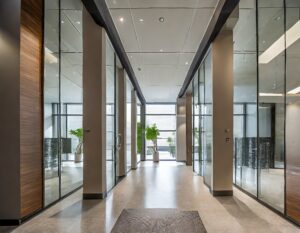 The UN states that almost 40% of global CO2 emissions come from buildings. The figure is staggering, prompting a rethinking of how we source building materials construct, and maintain our structures.
New-Age Solutions: From Concept to Implementation
Forward-thinking solutions like zero-energy buildings, which produce as much energy as they consume, are no longer relegated to the realm of fantasy. Green roofs, vertical gardens, and energy-efficient appliances are becoming mainstream.
Section 4: Holistic Design – Marrying Health and Sustainability
Biophilic Design and Its Benefits
This design philosophy, deeply rooted in our evolutionary history, emphasizes the human-nature connection. Natural light, plant elements, and organic materials play pivotal roles. Such designs reduce stress, improve cognitive function, and have energy-saving potential.
Adaptive and Resilient Architecture
Climate change brings unpredictable challenges. Rising sea levels, heatwaves, and erratic weather patterns necessitate buildings that can adapt. Modular designs, floating homes, and structures with self-cooling capabilities are answers to these challenges.
Section 5: Urban Planning and the Greater Good
Reimagining Cities
Urban areas, housing over half of the global population, are pressure cookers for both disease spread and environmental degradation. Decentralizing urban centers, promoting mixed-use neighborhoods to reduce commute, and prioritizing pedestrian-friendly zones are integral for future city designs.
Community Engagement and Stakeholder Collaboration
City planning should be a collaborative endeavor. Local communities, businesses, environmentalists, and health professionals must sit at the table, ensuring holistic planning catering to diverse needs.
Section 6: The Technological Paradigm Shift
Smart Buildings and AI Integration
Modern structures are integrating AI for better resource management. Predictive analytics can optimize energy usage, while sensor-driven systems can ensure optimal air quality.
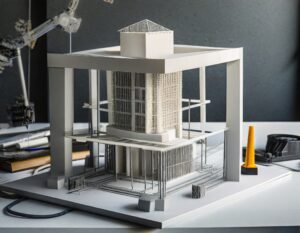 3D Printing and Construction
3D printing offers immense potential. This technology might revolutionize the construction sector from rapid construction to reduced waste and the ability to utilize sustainable materials.
Section 7: Policy Frameworks and International Collaborations
Green Building Certifications
Rating systems like LEED and BREEAM are becoming globally recognized. Such certifications provide a benchmark for sustainability and offer economic incentives, making green construction lucrative.
International Conventions and Agreements
With climate change being a global challenge, international collaboration is paramount. Agreements focusing on sustainable construction can drive worldwide change, ensuring a cohesive approach.
Section 8: Socio-Economic Implications and Opportunities
The Green Job Surge
Sustainable construction is labor-intensive. From green consultants to workers skilled in installing cutting-edge technologies, the sector offers immense employment opportunities.
Health Savings and Economic Benefits
Investing in sustainable, health-focused buildings reduces future healthcare costs. A population living in well-ventilated, toxin-free environments is less prone to respiratory diseases, leading to significant economic savings.
Section 9: Future Prospects and Vision 2050
The Evolution of Building Materials
Innovations are rampant. Researchers are exploring materials that are sustainable and self-healing, reducing maintenance needs.
Spaces that Nurture and Heal
The buildings of 2050 are structures that actively contribute to our well-being. Envision spaces that purify the air, adjust lighting based on our circadian rhythms, and grow their own food.
Conclusion
As we stand at this critical juncture, it’s evident that our future buildings will be more than mere brick-and-mortar structures. They will reflect our values, understanding of interconnectedness, and commitment to a better world. Embracing a future where buildings foster health and sustainability isn’t just an architectural challenge; it’s a human imperative.
Sources
Sustainable construction practices mean more green for contractors, lessors and lessees
Redefining real estate: The evolution from ESG compliance to corporate leadership